
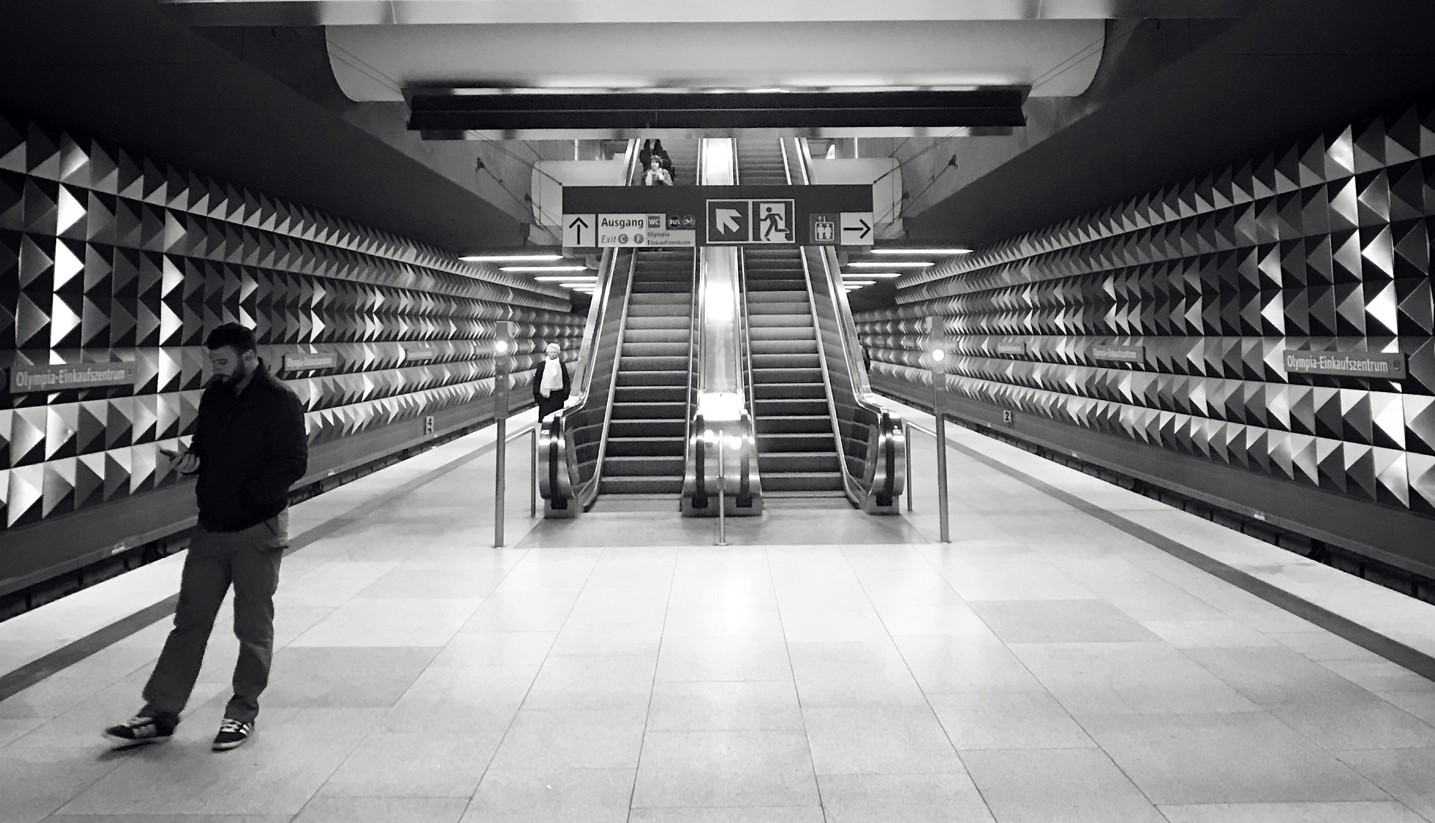
Transit-Oriented Developments (TOD): Unlocking Value in Secondary Urban Corridors
As land constraints and elevated pricing compress yields in prime Central Business Districts (CBDs), real estate developers in Q2 2026 are turning toward Transit-Oriented Developments (TOD). By integrating high-density commercial, retail, and residential spaces around newly expanded metro lines and public transit hubs, developers are establishing thriving new commercial nodes.
1. The Metro Expansion Catalyst
Major municipal transport infrastructure projects—such as the ongoing expansion of Metro Line 4 in Athens and regional commuter transit connections—are reshaping urban economic geography:
- The “Transit Premium”: Commercial properties located within a 5-minute walk of new transit hubs command a 20% to 35% rental premium over non-connected assets.
- Micro-Location Shifts: Formerly overlooked urban neighborhoods are emerging as prime targets for modern office conversions, co-working spaces, and boutique retail plazas.
2. Benefits for Occupiers and Asset Owners
- Employee Mobility: Easy access to public transit aligns with corporate ESG goals by reducing commuter carbon footprints and parking footprints.
- Resilient Retail Footfall: Mixed-use transit hubs guarantee steady daily foot traffic for ground-floor commercial and food & beverage (F&B) tenants.
Strategic Takeaway for Commercial Investors
Ground-floor retail and mid-tier office acquisitions located along upcoming public infrastructure routes represent one of the highest risk-adjusted yield opportunities in the 2026 real estate landscape.


About Post Author