
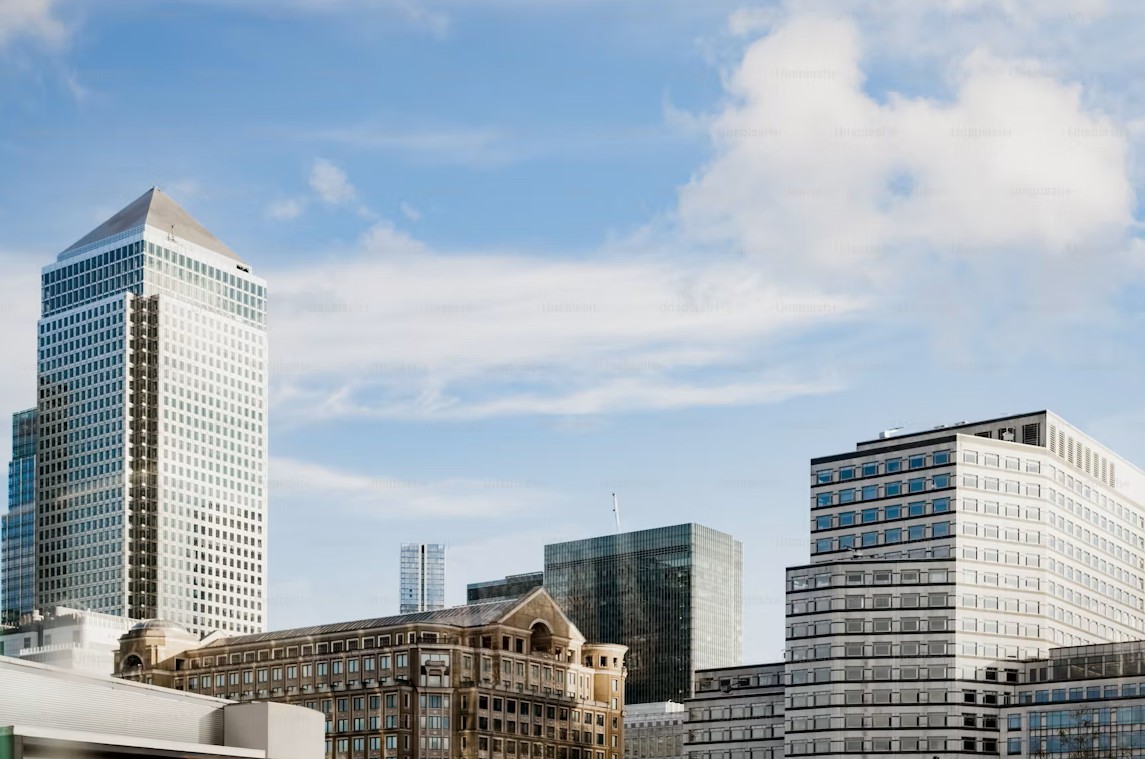
Peak Summer Facility Management: Climate Resilience and Energy Load Optimization
Mid-2026 has seen record summer temperatures across the Mediterranean, making climate resilience and peak load management top priorities for facility managers and commercial building owners. Managing energy costs during high-demand summer months requires proactive operational strategies to preserve Net Operating Income (NOI) without compromising tenant comfort.
1. Dynamic Energy Load Balancing
During peak heatwaves, cooling systems account for up to 60% of a commercial building’s total electricity consumption. Advanced facility management strategies implemented in summer 2026 include:
- Pre-Cooling Protocols: Utilizing lower off-peak night electricity rates to cool structural concrete masses, reducing air conditioning workloads during peak afternoon grid hours.
- Solar PV Integration: Commercial rooftops equipped with solar photovoltaic (PV) systems offset high mid-day cooling costs directly at the point of consumption.
- Smart Thermal Shading: Automated exterior louvers and smart glass tinting dynamically adjust to sunlight angles, preventing internal thermal buildup.
2. Protecting Long-Term Asset Integrity
Extreme heat places immense mechanical stress on HVAC chillers, transformers, and roofing membranes. Facility management teams are deploying thermal imaging drones and continuous oil analysis on chillers to prevent sudden mid-season equipment breakdowns.
Strategic Takeaway for Asset Owners
Climate resilience is no longer an optional green badge—it is a core requirement for preserving operational cash flow and protecting asset longevity during extreme summer weather.


About Post Author