
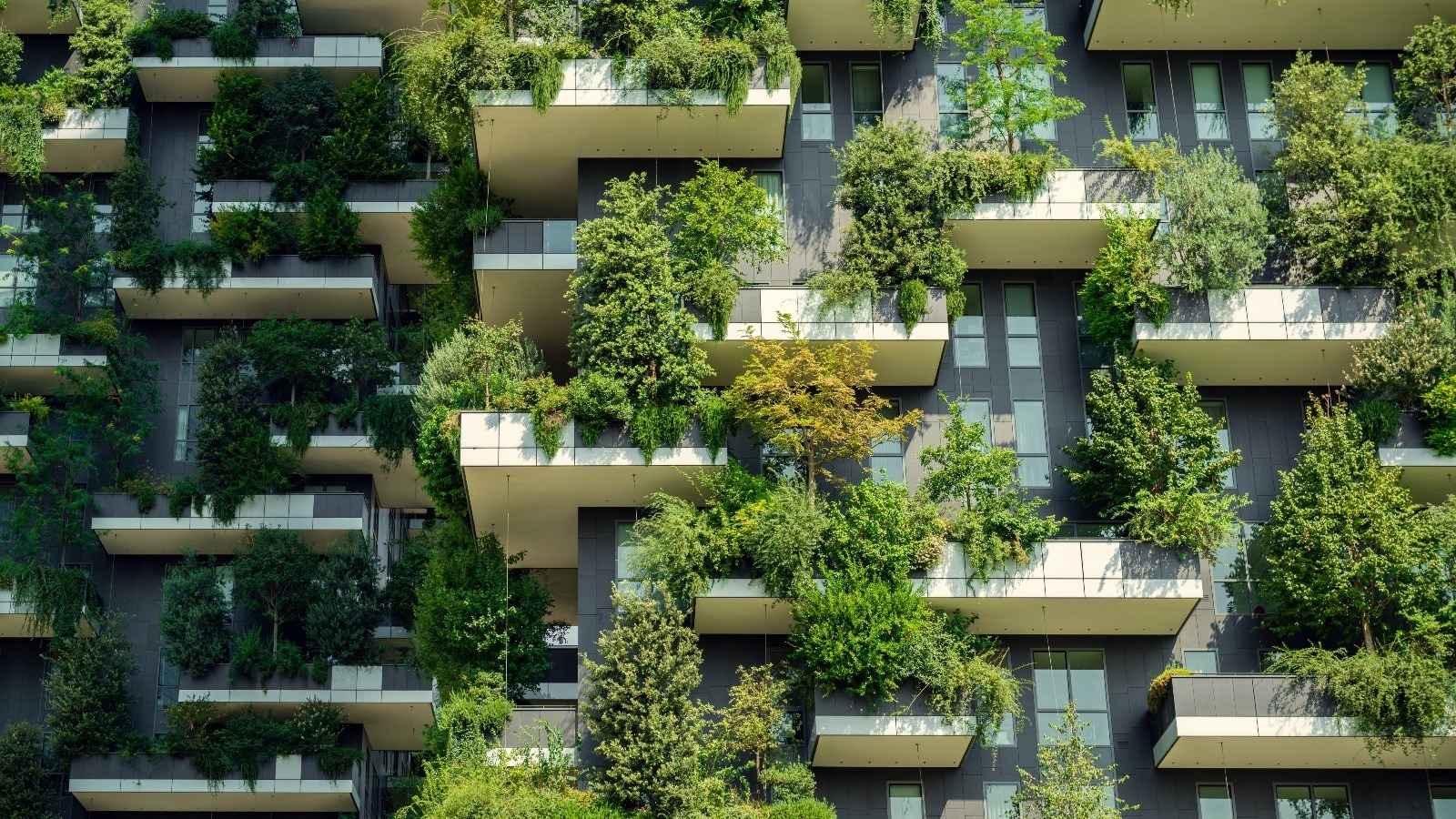
Commercial Real Estate Recovery 2022: The Shift Towards ESG and Green Office Assets
Following the unprecedented disruptions of the early 2020s, 2022 marked a pivotal turning point for the commercial real estate (CRE) sector. Rather than simply returning to pre-pandemic operating models, institutional investors and enterprise occupiers radically redefined what constitutes a prime asset. At the center of this transformation was the rapid acceleration of Environmental, Social, and Governance (ESG) criteria.
1. Flight to Quality and Sustainable Workspaces
Throughout 2022, tenant preferences underwent a structural realignment. Companies seeking to entice employees back to physical headquarters prioritized flexible, well-ventilated, and energy-efficient environments. Class-A office space with green building accreditations—such as LEED and BREEAM—experienced resilient absorption rates, whereas aging, unimproved Class-B and Class-C stock faced rising vacancy rates and yield compression.
2. Investor Mandates and Green Premiums
For asset managers and institutional funds, ESG compliance transitioned from a marketing preference to a strict risk-mitigation strategy. Key market observations from 2022 include:
- The “Green Premium”: Sustainable assets commanded higher rental rates and retained longer average lease lengths.
- Brownfield Redevelopment: Investors increasingly prioritized retrofitting existing infrastructure over ground-up construction to minimize embodied carbon footprints.
- Debt Capital Realignment: European banks and capital providers began offering favorable financing terms tied directly to sustainability benchmarks.
Strategic Takeaway for Owners
As 2022 demonstrated, real estate value creation is intrinsically linked to sustainability. Asset owners who proactively invest in thermal upgrades, smart metering, and occupant wellness will protect their portfolios against premature obsolescence.


About Post Author